Cancer stories of survivors often get told in milestones: the diagnosis, the final treatment, the moment someone is declared cancer-free. But for those living through it, the reality sits somewhere less defined.
It lives in the middle.
The middle is where life continues between appointments and uncertainty, where strength is built in routines, prayers, conversations, and small personal victories that rarely make headlines.
It shows up in the decision to get out of bed for another appointment, to sit through another treatment, to believe there is still something worth holding on to beyond the fear.
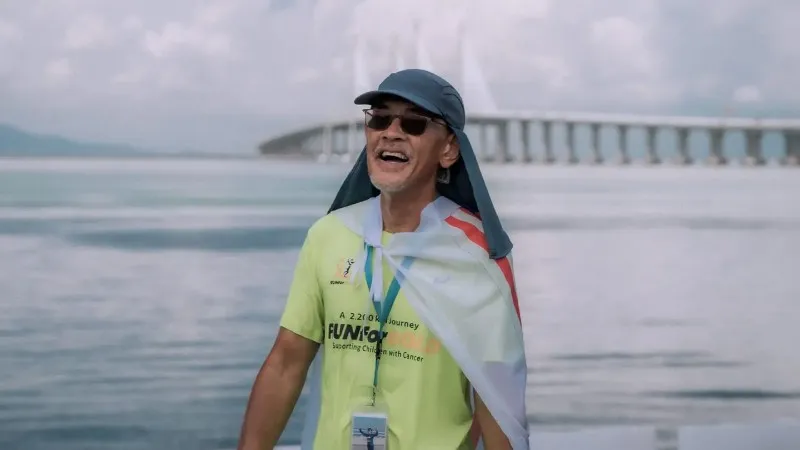
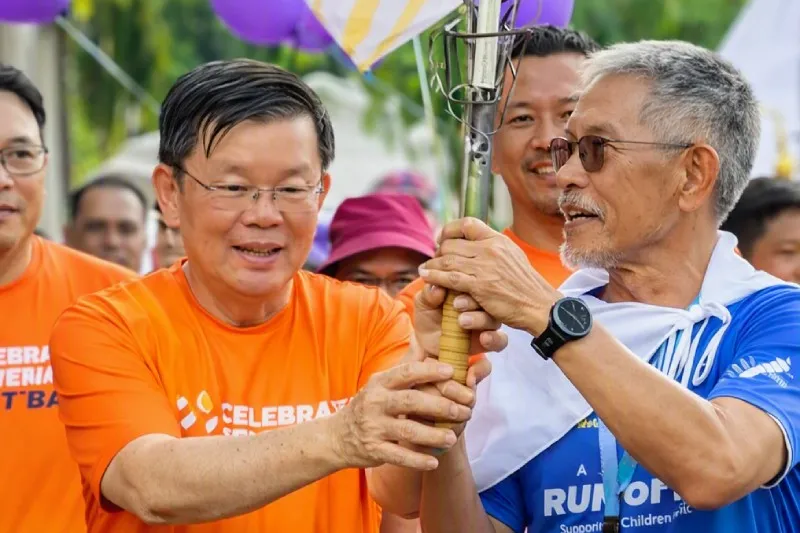
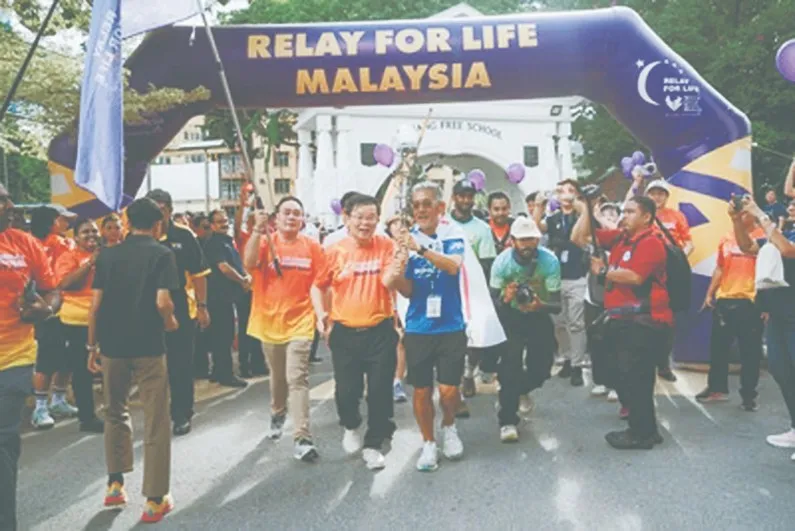
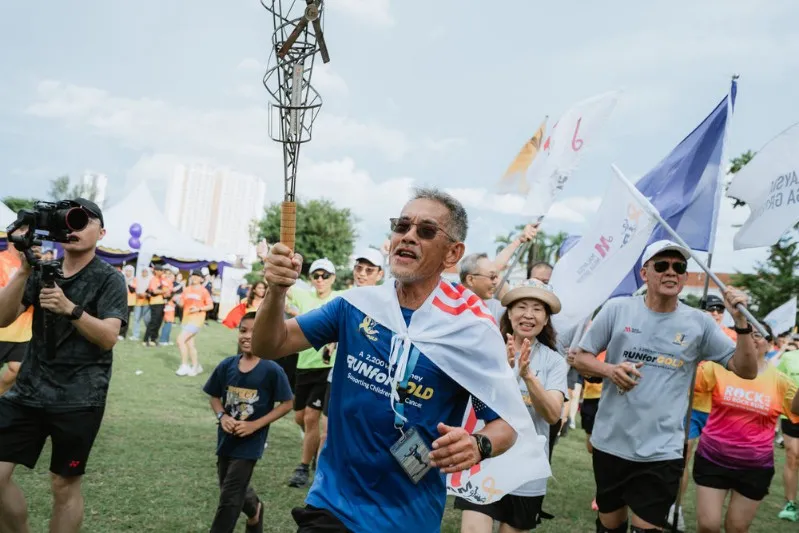
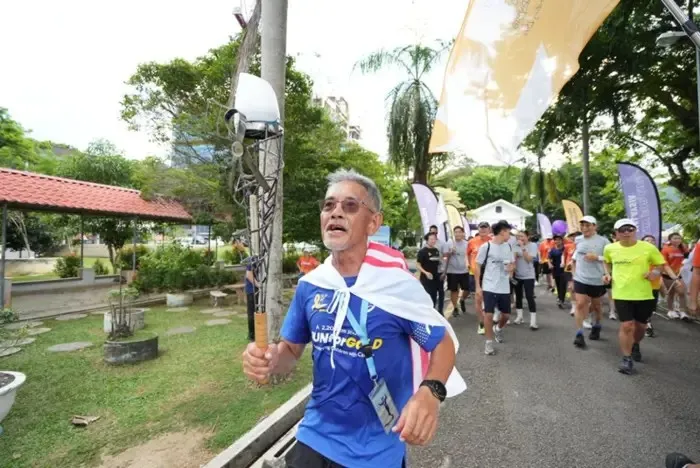
As 66-year-old widower Lim Shyang Guey prepares for his 2,200km run around Peninsular Malaysia to honour his late wife Joo Lee and raise awareness for childhood cancer, several survivors associated with National Cancer Society Malaysia (NCSM) told SAYS they found themselves reflecting on that same space, where fear, resilience, purpose, and hope coexist.

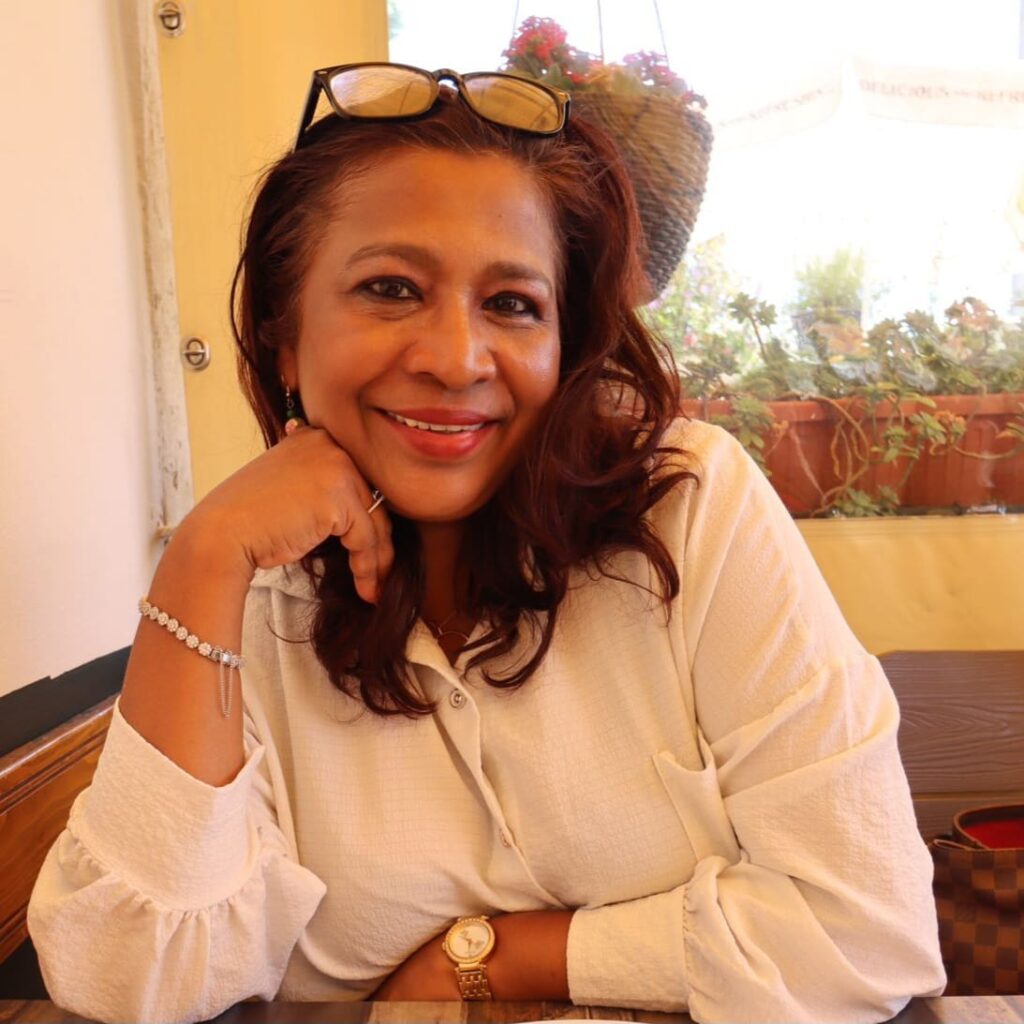
Mahani Kassim still remembers the moment she was diagnosed with breast cancer at 53
“It felt like the air had been knocked out of me,” she told SAYS.
Her first thoughts raced not to herself, but to the people she loved.
In those first months, she struggled not only with the illness itself but with the weight of what it might mean for her loved ones. There were days she had to put on a brave face for everyone else, and nights when she allowed herself to cry, to be afraid, and to grieve the life she thought she had lost.
What sustained her through that period was the support and understanding from her family, friends, colleagues, and fellow survivors, a network that reminded her she wasn’t facing it alone. Slowly, she learned to take things one day at a time, and to celebrate small victories that marked each step forward.
Mindy Tan, diagnosed with cervical cancer at 36, remembers her first reaction in terms of her children.
“As a mother, my first thought was not about myself; it was about my children,” she shared with us.
The first months were filled with fear and uncertainty, but she allowed herself to feel afraid and refused to give in to despair, finding strength in the thought that her perseverance could shape not just her own survival but the well-being of those she loved most.
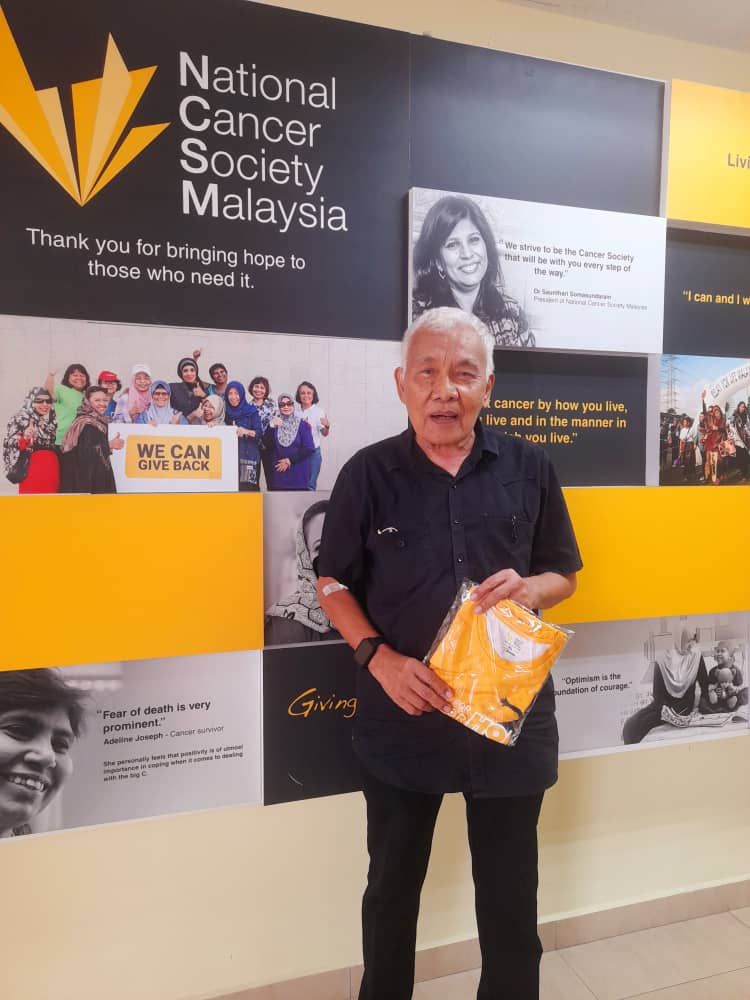
For Kamarul Baharin, 77, the shock arrived differently.
Frequent urination led him to a doctor, and soon after, a diagnosis that he describes as “shocking and sobering”. What had started as a seemingly minor symptom became a turning point, forcing him to confront his own mortality and the reality of prostate cancer.
Rather than succumbing to fear, Kamarul chose to equip himself with knowledge, asking questions, following treatment plans meticulously, and adjusting his lifestyle. The experience became a lesson in resilience, gratitude, and the importance of taking early action.
Even in the darkest moments of treatment, each survivor found a source of strength that anchored them
For Mahani, it was her faith.
Prayer became a comfortable refuge, a place to pour out her fear, grief, and uncertainty while paradoxically feeling carried rather than alone.
“When everything felt beyond my control, I surrendered to God,” she recalled.
Small blessings, a stable test result, a peaceful night’s sleep, a loved one sitting nearby, became signs that she was not abandoned. That faith, she told SAYS, helped her endure when the path forward seemed impossibly long.
Mindy drew her strength from her children.
On the hardest days, she reminded herself that she had to be strong for them.
“They gave me purpose,” she told us.
Even when the treatments were exhausting, or the fear gnawed at her, the thought of her children waiting at home was a tether to keep moving forward. She came to believe that the challenge she faced was not there to destroy her, but to shape her, to reveal a resilience she hadn’t known she possessed.
For Kamarul, hope came from a combination of love and practical guidance.
The desire to see his children thrive, to not leave them behind, fueled him through physical pain and uncertainty. He leaned on the counsel of his surgeon and the community around him, following medical advice meticulously while finding moments to share his experience with others.
“I realised that even small ways of helping someone else gave my own journey meaning,” he said, turning frustration into a fight to live, one step at a time.
Coming out of treatment doesn’t mean the battle is over
For Kamarul, life after cancer brought a renewed focus on health and routine. He monitors his diet carefully, ensures proper rest, keeps up with exercise, and follows his medication and check-ups diligently.
“This journey taught me to value health, balance, and peace of mind more than ever before,” he told us.
Mahani describes life after treatment as the start of a new chapter rather than a finish line. Recovery took time physically and emotionally; moments of fear still surfaced.
“Cancer stripped away the illusion that we control everything,” she reflected.
“I’ve learned to live one day at a time, to appreciate the small things — waking up well, sharing a meal with loved ones, watching the sunrise. Relationships, peace of mind, and meaningful purpose matter far more than before.”
For Mindy, the experience reshaped her sense of urgency and presence.
“I don’t take time for granted anymore. I don’t postpone happiness. If I want to do something, I do it. If I want to say something, I say it. Cancer made me realise that health and time are precious. It taught me to live more intentionally and appreciate small moments.”

Even in the middle of the fight, survivors found that strength wasn’t just personal: it was shared
For Kamarul, the lesson was in taking life one step at a time. Small, deliberate actions — a healthy meal, a walk, a positive thought — became building blocks for resilience.
“Win the small battles, and you will win the war,” he told us.
Each effort, no matter how modest, matters. Awareness starts with caring for yourself, he adds, and from there, the ripple can reach others.
Mahani sees courage as a combination of persistence and love. To anyone facing cancer, she says, “The middle is not the end. Even when exhaustion and fear press in, the next step is enough. You don’t have to conquer everything at once. Healing and strength are built one small step at a time.”
Her message to Lim, running thousands of kilometres to honour his wife, is simple yet profound: devotion and purpose give the body and spirit endurance, and even in the hardest stretches, love is a fuel that carries you forward.
For Mindy, the reminder is gentleness with oneself.
“You don’t need to be strong every single day. Just don’t give up,” she shared.
Life after cancer is not about perfection; it is about persistence, acceptance, and finding a future worth moving toward.
As Lim readies himself to run across Peninsular Malaysia, the lessons of resilience, hope, and perseverance from survivors like Kamarul, Mahani, and Mindy echo with every step, a reminder that the middle, though uncertain, can also be a place of purpose.
Original Article : In The Middle Of The Fight: How Cancer Survivors Find Strength And Purpose